



Under current federal law, the special education system allows disabled students to get away with violent behavior, burdening schools and teachers while demanding ever-increasing resources from districts. And yet, it’s not hard to understand why reform in special education is such a third rail in public education. Even those who understand the system is broken and are otherwise vocal proponents of education reform are afraid to seem like they are rolling back the rights of some of the most vulnerable children in the country.
One exception is Superintendent Jim Howard of Bonner School District 14 in Missoula, Montana, who has worked in rural schools for over three decades and has chosen to address this subject openly. Despite acknowledging that special education reform is a “political minefield,” he believes the subject must be broached—not because vulnerable children are being protected too much, but because they are not being protected enough.
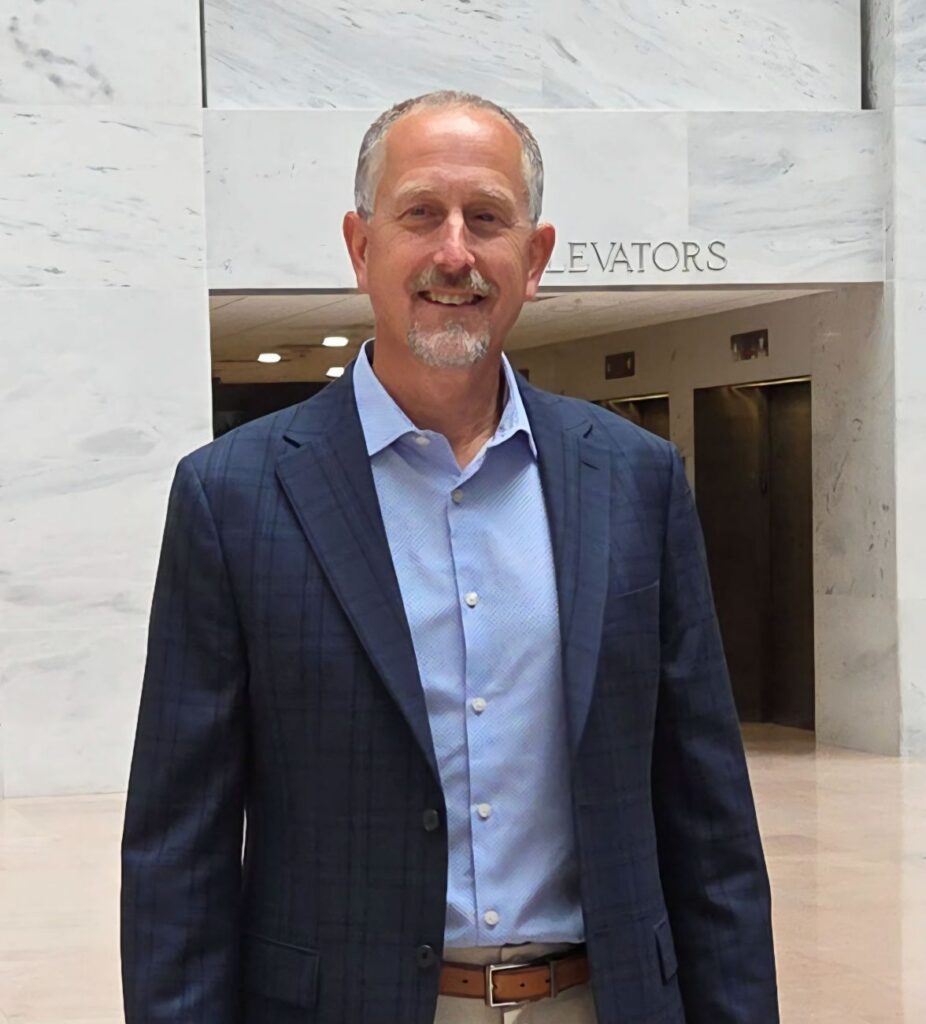
“Nothing I say or do is meant to stomp on the rights of kids with disabilities,” he told IW Features. “But where special education law stomps over the right to an education of the 85% of students who aren’t in special education, I want people to know that’s happening.”
The current state of special education began, as bad status quos usually do, with good intentions—in this case, namely, the recognition that children with disabilities had been mistreated and denied education for too long, and that they, like their abled counterparts, deserved educational access too.
Special education became codified federally with the 1975 Education for All Handicapped Children Act (EHA), which ensured disabled children had the right to a free appropriate public education (FAPE) in the least restrictive environment (LRE) possible, allowing disabled children to interact with their non-disabled peers and vice versa. With the EHA came the advent of the Individualized Education Plan (IEP), a written document for every student with a disability that details learning goals, accommodations, and measurement of progress. In 1990, the EHA was reauthorized by Congress and renamed to the Individuals with Disabilities Education Act (IDEA), which was reauthorized in 2004 and stands today.
Disability law was originally intended for children with severe and discernible intellectual and physical disabilities or blind-deafness, but today, only 10-15% of students in special education fit in that category. That means that many children in special education today should not really be in special education in the first place. Complicating this issue further is the fact that, per Superintendent Howard, students with disabilities are allowed to get away with just about anything in class because their status as disabled shields them from the accountability standards applied to the general student population.
“Whenever you meet a school principal, ask, ‘Have you had any staff injured by students this year? How often do you send staff to the ER?’ In my small district, I’ve sent staff to the ER multiple times because of injuries from kindergarten, 4th, 5th, 6th graders,” he said. “I talked to a principal this morning who had a teacher go to the ER this week from a new special ed kid. This is the norm, and it’s a big factor driving people out of special ed. When it comes down to it, staff have no rights—the student has the rights, and the district can’t do anything because they legally can’t.”
Indeed, the fact that so much of special education has been a series of top-down federal mandates is much of the problem.
“How we got here is a drip-drip-drip of regulations,” said Superintendent Howard, “first from the statute, then more from court cases. The IDEA statute has a 10-day limit on suspensions for disabled students. Courts interpreted that limit to include in-school suspensions.”
That means that in the absence of due process, which would require full court proceedings that few schools have the resources to carry out, a school can’t suspend a disabled student for more than 10 days total in a year without it counting as a “change of placement”—that is, a disciplinary removal from the student’s current educational placement that becomes a matter of federal oversight and procedural protection.
“Courts have said only ‘life-altering’ physical harm justifies more than 10 days. Mild disruptions or mayhem don’t qualify,” he added. “For serious violations like weapons or drugs, it’s 45 days max. I’ve had a kid stab a classmate—45 days out, then back. With guns, sometimes law enforcement intervenes, but for little kids hurting others, the police do nothing.”
“A daily occurrence is evacuating classrooms of 20 kids so one kid can melt down and destroy the room,” Howard continued, noting teachers and administrators are forced to focus on that one student at the expense of all the others.
“General-education parents don’t know about this until their kid is hit, and then they’re furious. But I can’t tell them, ‘The child harming yours has a disability, so we’re limited.’ That’s illegal under federal law,” he explained.
This is the root of the disconnect between news stories about school violence and the reality on the ground, Howard said.
“The headline is always, ‘Administrators didn’t do anything about it, and this kid was back in school,’” he said. “The public doesn’t understand why, but every administrator who reads that headline knows exactly why—that kid had an IEP.”
The reason schools give a slap on the wrist to many violent offenders in their classrooms is because their hands are tied by the federal government. This is catastrophic, especially for rural districts like Superintendent Howard’s, where there are few students, few teachers, and few taxpayers. When IDEA was passed, Congress had committed to funding 40% of its costs, but has never managed to exceed 15% of funding. In Montana, per statistics provided by Superintendent Howard, local districts cover more than half of all costs, straining not only general education budgets but local budgets, too.
“I am the superintendent for a district with 340 children in it. There is no economy of scale for me to create [the ideal setting] for the one or the two or the three kids with disabilities that a school district with 50,000 students can,” he said. “I have to meet all of the federal guidelines with the staff that I have, or the staff that I can afford to hire. There’s no recognition in federal law that the burden of the law takes into account how in the world a rural school would achieve and meet the requirements.”
Just consider the hiring needs the federal government has imposed on states and localities.
“The entire university system in our state of Montana put out four certified special ed teachers in 2024 for 160 openings. Do you think the feds care about that disconnect?” he asked. “They don’t care at all.”
For that reason, Superintendent Howard mentioned that he is optimistic about recent efforts by the Trump Administration to shut down the Department of Education.
“I’m like, ‘Great,’” he said. “Shut the place down. Because the money has to be passed through anyway. It’s statutorily provided under IDEA. So just send that money to the states, and in Montana we’ll figure out a better way.”
This is Superintendent Howard’s fundamental point: that the refusal to address the problems in special education is doing more harm than good, including to the students the current system purports to serve.
“[If the federal government backs out of education], not a single school leader is going to say, ‘Oh good, we don’t need to serve these kids with disabilities anymore,’” he told IW Features. “My people love these kids and bend over backwards for them. We’re going to keep serving them well, but we’re not going to be tied to this one-size-fits-all federal model.”